Home Insurance Information Guide
Calculate a Home Insurance Quote

Welcome to the Home Insurance Information Guide
When purchasing home insurance, the insured must choose the type and level of coverage that best suits their needs. There are several types of home insurance policies, including basic, broad form, and special form policies. Basic policies typically cover only specified perils, such as fire or theft, while broad form policies cover a wider range of perils. S
Table of Contents
- What Is a Home Insurance?
- When Do I Need Home Insurance?
- Best Home Insurance
- Advantages and Disadvantages of Home Insurance
- Benefits of Home Insurance
- Drawbacks of Home Insurance
- How to Apply for Home Insurance
- Alternatives to Home Insurance
- Compare Home Insurance
- FAQ about Home Insurance
What is Home Insurance?

Home insurance is a type of insurance policy that provides financial protection for homeowners in the event of unexpected damage or loss to their property. It typically covers a range of risks, including damage from natural disasters, fire, theft, and liability for injuries that occur on the property. Home insurance is a crucial safeguard for homeowners, as it can help cover the costs of repairs or replacement of belongings if they are damaged or destroyed.
One key component of home insurance is property coverage, which helps protect the physical structure of the home and any attached structures, such as a garage or deck.
This type of coverage can help pay for repairs or rebuilding costs if the home is damaged by covered perils, such as a fire or severe weather event. In addition to property coverage, home insurance also typically includes personal property coverage, which helps reimburse homeowners for the loss or damage of their belongings, such as furniture, electronics, and clothing.
When Do I Need Home Insurance?

Home insurance is a crucial aspect of homeownership that provides financial protection in the event of damages, theft, or other unforeseen events. One of the major factors to consider when deciding if you need home insurance is the value of your home and belongings. If you own a home, whether it is a single-family house, condo, or townhouse, home insurance is necessary to protect your investment. In the event of a fire, natural disaster, or other covered event, home insurance can help you repair or rebuild your home and replace your belongings.
Another important factor to consider when determining if you need home insurance is the location of your home. Homes located in areas prone to natural disasters, such as hurricanes, earthquakes, or floods, may require additional coverage beyond a standard home insurance policy. Without adequate home insurance, homeowners in these high-risk areas may face significant financial challenges in the aftermath of a disaster. Home insurance can provide peace of mind knowing that you are protected against unexpected events that could damage your home and belongings.
Additionally, home insurance is often required by mortgage lenders as a condition of obtaining a home loan. Lenders typically require homeowners to maintain a certain level of coverage to protect their investment in the property. In the event of a loss, the insurance policy ensures that the lender will be compensated for their financial interest in the home.
Ultimately, whether you need home insurance is determined by your individual circumstances and the level of risk associated with your home and location. It is essential to carefully evaluate your need for home insurance and ensure that you have adequate coverage to protect your home and finances.
Best Home Insurance Providers
If you’re looking for the best home insurance quotes, we provide no shortage of options to choose from. There are many Home insurance providers out there, we break down a few of the best Home Insurance packages to choose from.
Best Home Insurance for Low Rates
MoneySuperMarket.com

- Quotes from £1.58 per day
- Compare 45 Brands
- Critical Illness
- Lost Baggage
- Critical Illness & Children’s Cover
- Cancellation cover
About MoneySupermarket.com
Moneysupermarket.com is a popular website in the UK that offers a wide range of financial products and services, including home insurance. Home insurance is essential for homeowners, as it provides protection for their property against unforeseen events like fire, theft, and natural disasters. Moneysupermarket.com allows consumers to compare different home insurance policies from various providers, helping them find the best coverage at the most competitive price.
One of the key benefits of using Moneysupermarket.com to compare home insurance is the convenience it offers. Instead of having to individually research and contact numerous insurance companies, consumers can simply input their information on the website and receive multiple quotes in minutes. This saves time and effort, allowing homeowners to make an informed decision without the hassle of endless phone calls and paperwork.
Calculate a Home Insurance Quote
Best Home Insurance for Over 50’s
ComparetheMarket.com

- Quotes from £2.20 per day
- Compare 43 Brands
- Critical Illness
- Lost Baggage
- Critical Illness & Children’s Cover
- Cancellation cover
About Comparethemarket.com
ComparetheMarket.com is a renowned platform offering a multitude of services, including comprehensive travel insurance options. As travel insurance plays a crucial role in ensuring peace of mind during trips, understanding the various aspects of this financial product is essential.
This article provides an in-depth exploration of travel insurance on ComparetheMarket.com, covering the types of plans available, key features and benefits, tips for selecting the right policy, and a guide on comparing quotes effectively. Whether you are a frequent traveler or planning a one-time vacation, gaining insights into travel insurance through ComparetheMarket.com can empower you to make informed decisions that safeguard your journeys.
Best Home Insurance for Low Premiums
PostOffice.co.uk

- Low Premiums
- Critical Illness
- Lost Baggage
- Children’s Cover
- Cancellation cover
About Post Office Pet Insurance
PostOffice.co.uk offers a comprehensive range of travel insurance options for individuals looking to protect themselves while traveling. Their travel insurance policies cater to various travel needs, including single trip, annual multi-trip, and backpacker insurance. These policies provide coverage for medical expenses, trip cancellation, lost baggage, and other unforeseen circumstances that may occur during your travels. PostOffice.co.uk’s travel insurance options are designed to give travelers peace of mind, knowing that they are protected in case of any mishaps while on the road.
Best Home Insurance for Fast Funding
TheAA.co.uk

- Low Premiums
- Critical Illness
- Lost Baggage
- Children’s Cover
- Cancellation cover
About TheAA.com
PostOffice.co.uk offers home insurance policies designed to provide homeowners and tenants with comprehensive protection and peace of mind. By partnering with a panel of trusted underwriters, they provide a range of coverage options that can be tailored to suit individual needs, whether one is looking for buildings insurance, contents insurance, or a combined policy. Customers benefit from features such as new-for-old replacement on most items, cover for accidental damage, and 24/7 emergency helplines, ensuring that support is available whenever an unexpected incident occurs. Furthermore, the platform’s user-friendly interface makes it straightforward to obtain a quote, manage policies online, and compare different levels of cover, making it a convenient choice for those seeking reliable home protection backed by a well-established and recognisable brand.
Best Home Insurance for Low Fees
Confused.com

- Up to £750,000 of cover
- Critical Illness & Children’s Cover
- Add Funeral Benefit Option
- Guaranteed Acceptance
About Confused.com
Home insurance is a crucial aspect of planning any trip, whether it be a short weekend getaway or a long vacation abroad. One reputable source for obtaining travel insurance is Confused.com, a well-known comparison website that offers a range of insurance products. Confused.com allows travelers to compare different travel insurance policies from various providers, helping them find the most suitable and affordable option for their specific needs.
One of the key benefits of purchasing travel insurance from Confused.com is the ease and convenience of the process. Rather than spending hours researching different insurance companies and policies on their own, travelers can simply visit the Confused.com website and easily compare multiple options in one place. This not only saves time and effort but also ensures that travelers are able to make an informed decision
Advantages and Disadvantages of Home Insurance
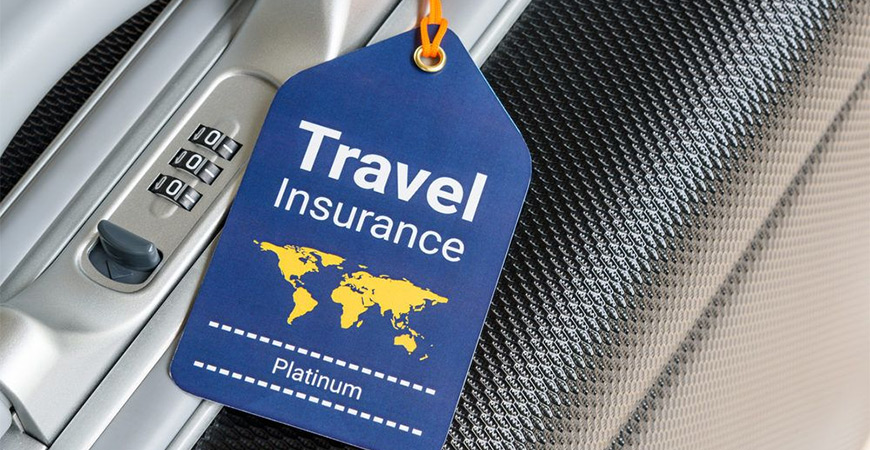
Home insurance is a type of insurance that provides coverage for unexpected events while a traveler is away from home. There are several advantages to purchasing travel insurance. One of the major advantages is the peace of mind it provides. Knowing that you are covered in case of emergencies such as trip cancellations, medical emergencies, or lost baggage can help alleviate stress and allow you to fully enjoy your trip. Additionally, travel insurance can provide financial protection in the event that you need to cancel your trip for reasons beyond your control, such as illness, job loss, or a natural disaster.
However, there are also some disadvantages to travel insurance that should be considered before purchasing a policy. One of the main disadvantages is the cost of the premiums. Travel insurance can be expensive, especially for comprehensive coverage that includes a wide range of benefits. If you are on a tight budget, the cost of travel insurance may be prohibitive. Additionally, some travel insurance policies have strict limitations and exclusions, so it is important to carefully read the policy details to ensure that it provides the coverage you need.
While there are advantages to purchasing travel insurance such as peace of mind and financial protection, there are also disadvantages to consider such as the cost of premiums and limitations of coverage. Ultimately, the decision to purchase travel insurance will depend on your individual circumstances and the level of risk you are willing to take. It is important to carefully research and compare different travel insurance policies to find one that best meets your needs and budget.
Benefits of Home Insurance
Home insurance is a crucial investment for any traveler, offering a range of benefits that provide peace of mind and financial protection. One key benefit of travel insurance is coverage for trip cancellations or interruptions. In the event of unforeseen circumstances such as illness, family emergencies, or natural disasters, travel insurance can help recoup the costs of non-refundable expenses such as flights, accommodations, and tours. This can save travelers from incurring significant financial losses and allows them to rebook their trip at a later date without losing money.
Another important benefit of travel insurance is emergency medical coverage. Traveling to a foreign country can expose individuals to unfamiliar environments and potential health risks, making it essential to have access to medical care in case of an illness or injury. Travel insurance can cover expenses associated with doctor visits, hospital stays, and medical treatments, as well as emergency medical evacuation to a facility capable of providing proper care. This coverage ensures that travelers receive the necessary medical treatment without worrying about the high cost of healthcare in a foreign country.
Additionally, travel insurance offers protection against lost or stolen belongings while traveling. This includes coverage for lost luggage, theft of personal belongings, and reimbursement for necessary items in case of baggage delay.
Travel insurance can also cover expenses related to travel mishaps such as flight delays, missed connections, or lost passports. By having insurance coverage, travelers can mitigate the stress and financial burden of unexpected events and focus on enjoying their trip with peace of mind. Overall, the benefits of travel insurance far outweigh the cost, providing essential support and protection for travelers exploring the world.
Drawbacks of Home Insurance
Home insurance is often touted as a necessary expense for anyone embarking on a trip, promising peace of mind and financial protection in case of unexpected events. However, like any type of insurance, there are drawbacks to consider before purchasing. One major drawback of travel insurance is the cost. Depending on the coverage options chosen, travel insurance can be quite expensive, adding a significant chunk to the total cost of a trip. For budget-conscious travelers, this extra expense may not be worth the peace of mind it provides.
Another drawback of travel insurance is the fine print. In many cases, travel insurance policies contain numerous exclusions and limitations that may prevent travelers from receiving full reimbursement in the event of a claim. For example, most policies will not cover pre-existing medical conditions, extreme sports activities, or acts of terrorism. This can leave travelers feeling frustrated and disappointed, especially if they thought they were fully covered in case of an emergency. Delving into the details of a policy before purchasing is crucial to avoid any unpleasant surprises later on.
Lastly, some travelers may find that they simply do not need travel insurance. For those taking short domestic trips or traveling to countries with good healthcare systems, the benefits of travel insurance may not outweigh the costs. Additionally, some credit cards offer travel insurance as a complimentary benefit, which may be sufficient for certain travelers.
Ultimately, it is important for each individual to assess their own needs and circumstances before deciding whether travel insurance is worth it for them.
How to Apply for Home Insurance?

Buying a home is one of the most significant financial milestones of your life. Whether it’s your first condo or a long-awaited family house, you’ve put a lot of work into finding the perfect space. Now, you need to protect that investment.
Home insurance is more than just a requirement from your mortgage lender; it is a safety net that protects you against the unexpected—from fire and theft to natural disasters and liability claims. Applying for home insurance might seem like an administrative burden, but with the right preparation, it can be a straightforward process that gives you immense peace of mind.
Here is your guide to navigating the home insurance application process.
1. Evaluate Your Coverage Needs
Before you start calling providers, take a moment to understand what you actually need. Not every home insurance policy is created equal. Most standard policies cover the structure of your home, your personal belongings, and liability protection.
However, you should consider what is unique to your property. Do you live in a flood-prone area? Do you have expensive jewelry, high-end electronics, or an extensive art collection that exceeds the standard sub-limits of a policy? Identifying these specific needs early will help you ask the right questions when you begin requesting quotes.
2. Gather the Necessary Documentation
Insurance agents need specific information to accurately assess your risk and provide a quote. Having documentation ready in advance will save you time and prevent back-and-forth communication. Be prepared to provide:
- Property Details: The exact address, the year the home was built, square footage, and the type of construction (e.g., brick, wood, frame).
- Systems Information: Be ready to state the age of your roof, electrical wiring, plumbing, and HVAC systems. Insurance companies often look at these because an older, unmaintained system represents a higher risk of fire or water damage.
- Security Features: Details about fire alarms, burglar alarms, deadbolts, or proximity to the nearest fire station. These features can often earn you significant discounts on your premiums.
- Claims History: If you have owned a home before, be prepared to share your claims history. While it might feel counterintuitive, being honest about past claims is vital; insurance companies have access to industry databases and will verify this information regardless.
3. Shop Around and Compare Quotes
Never settle for the first quote you receive. Insurance premiums can vary significantly between companies based on their risk appetite and internal algorithms.
Aim to get at least three quotes from different providers—a mix of large national carriers and local/regional insurers. When comparing quotes, do not just look at the price tag. Look at the coverage limits and the deductibles. A cheaper plan might save you money upfront but leave you underinsured if a disaster strikes. Check the reputation of the company regarding customer service and their efficiency in processing claims; in the event of an emergency, you want an insurer that is responsive and reliable.
4. Understand Your Deductible
The deductible is the amount you pay out-of-pocket before your insurance kicks in. A common mistake is choosing a very low deductible to satisfy a fear of future expenses. However, choosing a higher deductible can drastically lower your annual premium. If you have a healthy emergency fund, opting for a higher deductible is a smart way to save money on your insurance bill over the long term.
5. Ask About Bundling and Discounts
Once you have narrowed down your list, it’s time to negotiate. Ask the agent about potential discounts. Many companies offer “bundling” discounts if you purchase your auto insurance and home insurance from the same provider.
Other common discounts include:
- Loyalty discounts: If you have been with a company for a long time.
- Safety features: Installing smart home sensors, water leak detectors, or impact-resistant roofing.
- Claim-free status: If you haven’t filed a claim in five years or more.
6. Review Before You Sign
Once you have chosen a policy, read the fine print. Pay close attention to exclusions—what is not covered. For example, standard home insurance almost never covers damage from earthquakes or floods unless you purchase a separate add-on or a standalone policy. Understanding these gaps early will allow you to either adjust your budget for additional coverage or take steps to mitigate those risks.
Final Thoughts
Applying for home insurance isn’t just about ticking a box for your mortgage company; it’s about ensuring that your home remains a source of comfort rather than a source of financial stress. By gathering your documents, shopping around, and being honest about your needs, you can secure the coverage that fits your lifestyle.
Once your policy is active, don’t just file it away. Re-evaluate your coverage every year, especially after major renovations or big life changes. A well-protected home is the foundation of a worry-free life.
What are the Alternatives to Home Insurance?

Alternatives to Home Insurance:
For most people, a home is the single largest investment they will ever make. It is not just a structure of wood, brick, and mortar; it is a sanctuary, a workspace, and the backdrop for a lifetime of memories. Because of this, protecting that investment is paramount. Homeowners insurance acts as a vital financial buffer against the unpredictable nature of life. However, like any financial product, it comes with a set of pros and cons that every homeowner should understand before signing a policy.
The Advantages: Why Protection Matters
The primary purpose of homeowners insurance is peace of mind. Here is why having a robust policy is widely considered a non-negotiable aspect of property ownership.
Financial Security Against Catastrophe The most obvious advantage is protection against “perils.” Whether it is a fire, a burst pipe, a windstorm, or a tree falling through your roof, these events can result in tens or even hundreds of thousands of dollars in damages. Without insurance, a single disaster could lead to complete financial ruin. Insurance transforms an unmanageable, life-altering expense into a manageable deductible.
Liability Coverage A home insurance policy isn’t just about the house; it’s about the people inside it. Liability coverage is a crucial component that protects you if someone is injured on your property. If a guest slips on an icy walkway or trips over a loose rug and decides to sue, your liability coverage helps pay for legal fees and potential medical bills. Without this, your personal assets—such as your savings or retirement accounts—could be at risk.
Mortgage Requirements If you have a mortgage, your lender will mandate home insurance. While this might seem like a disadvantage at first, it is actually a form of mutual protection. The lender wants to ensure their collateral is protected, but this requirement also forces homeowners to maintain a safety net that they might otherwise overlook.
Additional Living Expenses (ALE) If your home becomes uninhabitable due to a covered loss, you still need a place to live. Most standard policies include “loss of use” or ALE coverage, which pays for hotel costs, temporary rentals, and sometimes even increased food expenses while your home is being repaired. This prevents the nightmare scenario of paying a mortgage on an unusable house while simultaneously shelling out rent for temporary housing.
The Disadvantages: The Hidden Costs and Realities
While the benefits are clear, there are reasons why homeowners sometimes find the insurance landscape frustrating.
Cost and Escalating Premiums Insurance is expensive, and it rarely stays static. Premiums can rise due to factors outside of your control, such as an increase in local crime rates, a higher frequency of natural disasters in your region, or even general inflation affecting the cost of building materials. For many families, the annual insurance premium is a significant line item in the budget that grows year after year.
The Complexity of Exclusions One of the most common sources of frustration is the “fine print.” Many homeowners are shocked to discover that their standard policy does not cover specific events. For example, standard home insurance almost never covers damage caused by flooding or earthquakes. These require separate, additional policies. If you assume you are covered for “everything” and then suffer a loss from an excluded event, the emotional and financial blow is compounded by a sense of betrayal.
The Deductible Dilemma Insurance is meant for big disasters, not minor repairs. If your roof has a small leak that costs $800 to fix, but your deductible is $1,000, you are responsible for the entire bill. Furthermore, filing a claim—even for larger amounts—can lead to higher premiums in the future or, in some cases, the insurance provider choosing not to renew your policy. This leads to a common dilemma: homeowners often end up paying out-of-pocket for repairs to avoid “triggering” their insurance, which can make the policy feel like an expensive safety net you are afraid to use.
Depreciation vs. Replacement Cost It is vital to check whether your policy provides “Actual Cash Value” or “Replacement Cost” coverage. If you have an Actual Cash Value policy, the insurance company will only pay the current, depreciated value of your items. If your ten-year-old appliance is destroyed in a fire, you won’t get enough money to buy a new one; you’ll get what the old one was worth. This can leave you with a significant “gap” in funding when you go to replace your belongings.
The Verdict: Informed Decisions
Is home insurance worth it? For the vast majority of people, the answer is a resounding yes. The ability to shift the risk of a catastrophic loss to an insurance company is the only way most individuals can safely afford to own a home.
The key to navigating the disadvantages is education. Do not simply choose the cheapest policy or the one your lender suggests without asking questions. Review your policy annually, understand your exclusions, check your deductible levels, and ensure you have “replacement cost” coverage on your property. By treating your insurance policy as a living document that needs regular attention, you can harness its advantages while minimizing the impact of its inherent limitations. Your home is your world; make sure your coverage is as robust as your investment.
Calculate a Life Insurance Quote
Compare Home Insurance
Click a comparison website below to recieve Home Insurance quote.